

Blog

When Generosity Goes Wrong
Some of the kindest, most generous leaders I work with find themselves leading teams that feel entitled, dependent or disengaged. This article is about how relationships and psychological contracts are co-constructed over time - and how our greatest strengths, like kindness, can become our Achilles' heel when they are overused.
Why Generative Conversations Feel Worse Before They Feel Better
Most leadership teams want more innovation, challenge and fresh thinking. Yet the path to genuinely generative conversations is often messier and more uncomfortable than we expect. Drawing on Otto Scharmer's model of dialogue, this article explores why tension can be a sign of progress, what helps teams move beyond debate, and the inner capacities leaders need to cultivate if they want new thinking to emerge.
One Arrow Only
It’s astonishing how quickly a number can crawl under your skin and start telling you who you are. I’ve lived there. Most of my clients have too. This is a real story, from a real client, about that moment—and what it looks like to respond differently when it happens.

What does it really mean to be a member of the Leadership Team?
Being on a top team is a shift to collective ownership of the whole organisation. It’s a shift few organisations do well. It requires prioritising enterprise over silo, engaging in honest challenge, and holding each other to account. How you show up together becomes the culture everyone else experiences.

Are We Losing Our Drive for Mastery?
If technology removes the friction that used to build mastery, we may gain faster outputs but lose something deeper: the satisfaction of becoming truly good at what we do. What happens to motivation, pride, and identity when the craft itself is slowly outsourced - and what are the ramifications for productivity?

Should Coaches Ever Try to Change a Client’s Personality?
When a client says, “That’s just the way I am,” are they naming a trait, being human or protecting themselves? The line between supporting growth and interfering with identity is thinner than we may think.

It is literally (almost) impossible to be a leder
This is what I imagine America Ferrera’s take on leadership would be… Enjoy!
The Biological Psychology of Leadership
Most leaders know what they want to change — but under pressure, insight alone rarely translates into different behaviour. This article explores the biological psychology beneath leadership, showing why change begins not with mindset or discipline, but with the nervous system. If leadership happens under pressure, then the body is the place to start.
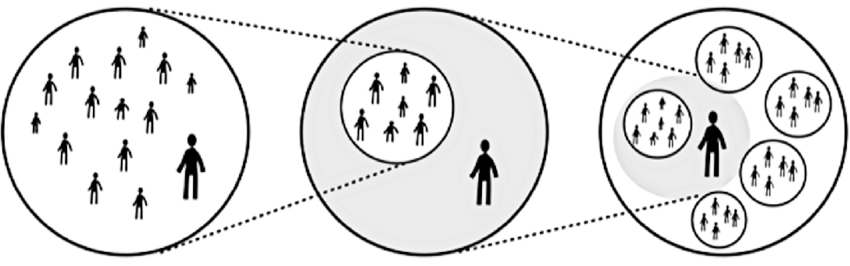
How Adults Develop - and Why Coaching Is One of the Most Powerful Catalysts
Robert Kegan’s theory of adult development gives us a helpful way to understand how our inner world evolves - from being shaped by others’ expectations, to defining our own values, to holding multiple perspectives at once. It’s a lens that captures something important about how adults evolve: as our meaning-making expands, so does our capacity to lead with curiosity, presence and intention. Coaching is one of the most powerful catalysts for this shift, creating the reflective space where old patterns become visible and new ways of thinking can take root.

Finding Steady Ground When Everything’s Changing
When life or work feels uncertain, our nervous system does what it’s built to do - protect us. But those same protective stories can also keep us stuck: overthinking, avoiding risk, or chasing certainty at all costs. This piece, drawn from my Re:Work Live session “Finding Steady Ground When Everything’s Changing,” explores what really happens inside us during transition - and how developing mindsight can help us pause, notice, and choose our next steps with greater calm, clarity, and courage.